Our Programs
Six carefully designed learning areas that develop the whole child — intellectually, sensorially, emotionally, and physically.
Practical Life
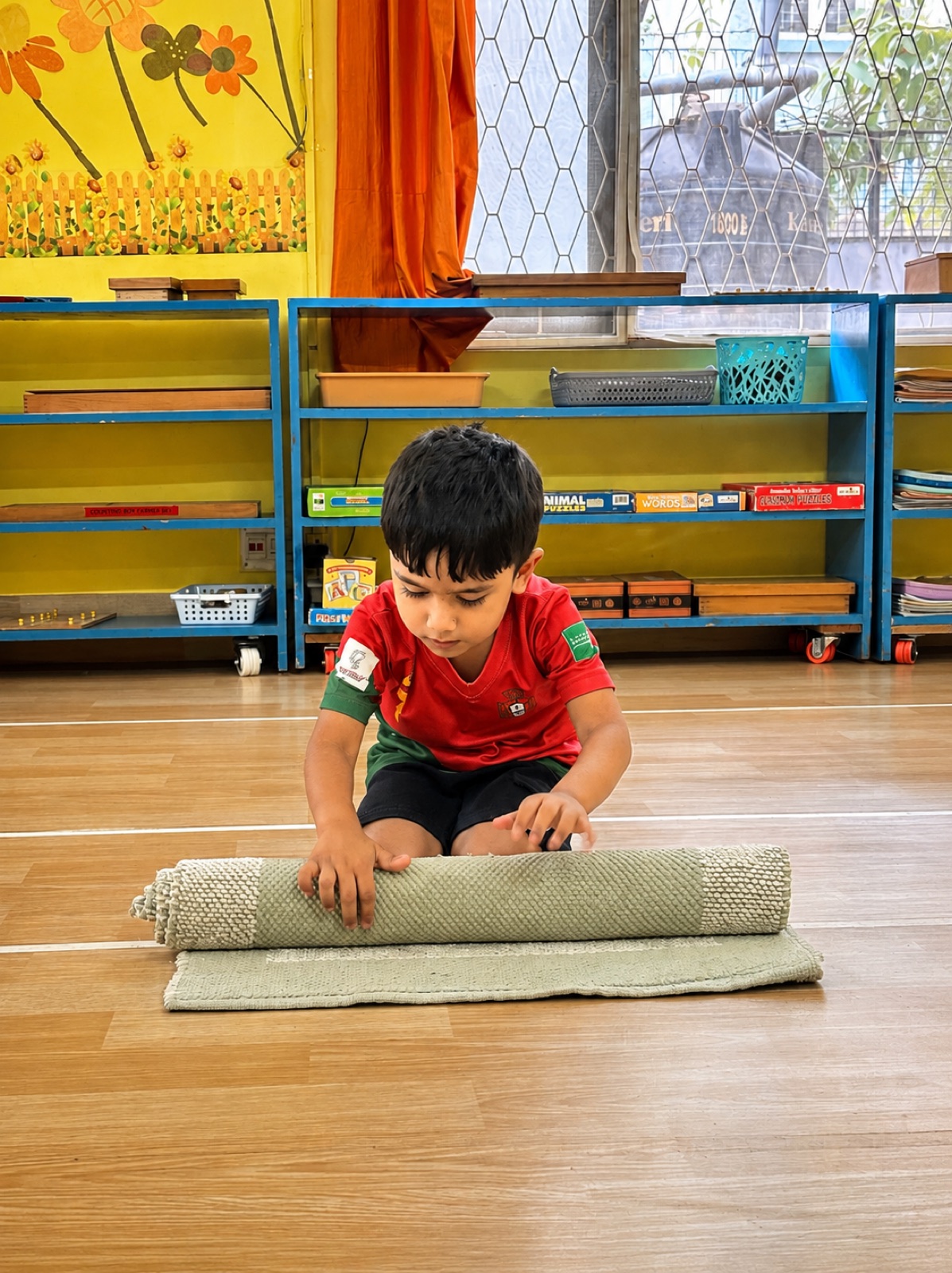
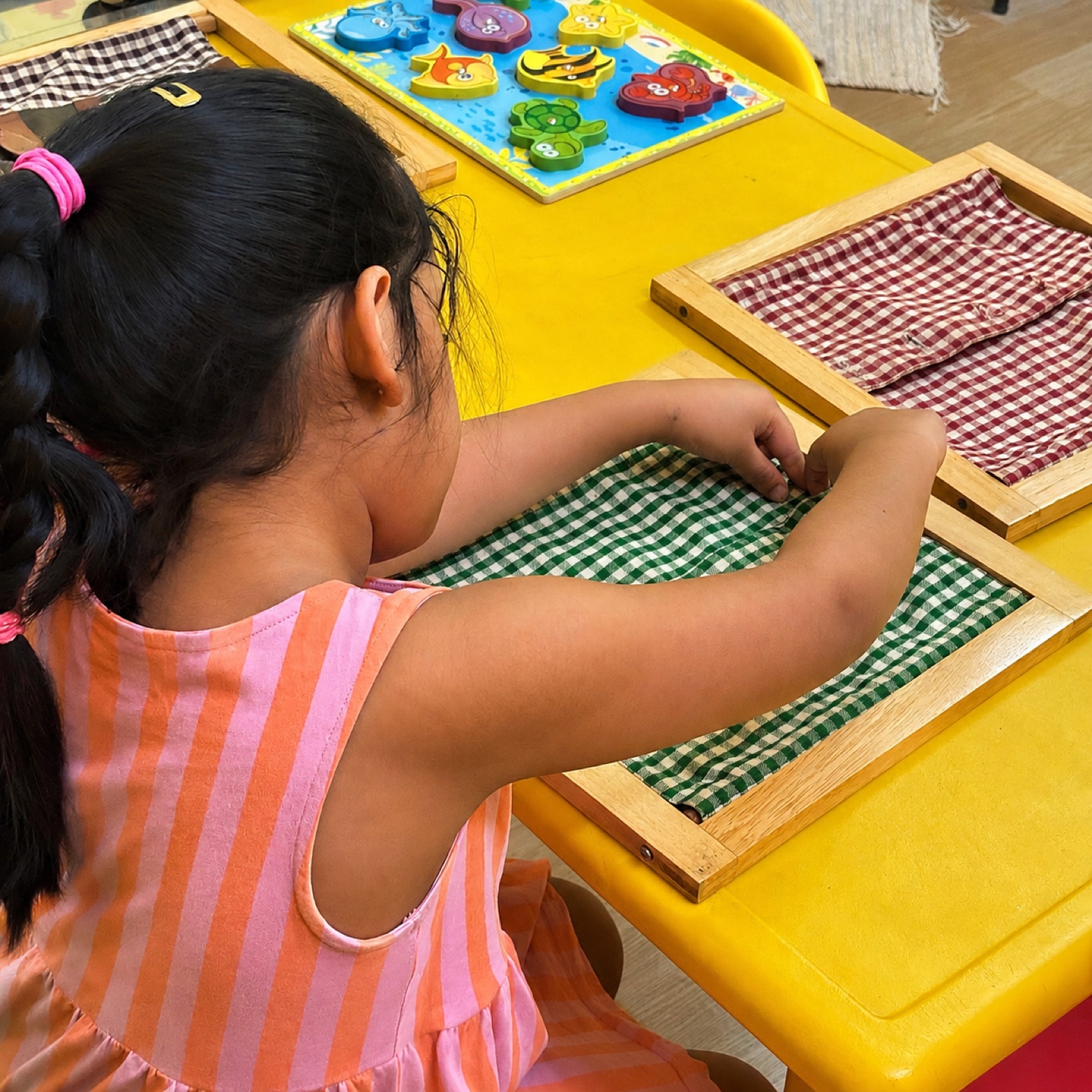
Practical Life activities form the cornerstone of Montessori education. Children practice real-life skills — pouring, spooning, folding, and caring for the environment. These purposeful activities develop concentration, fine motor control, and most importantly, independence.
Sensory-Based Learning
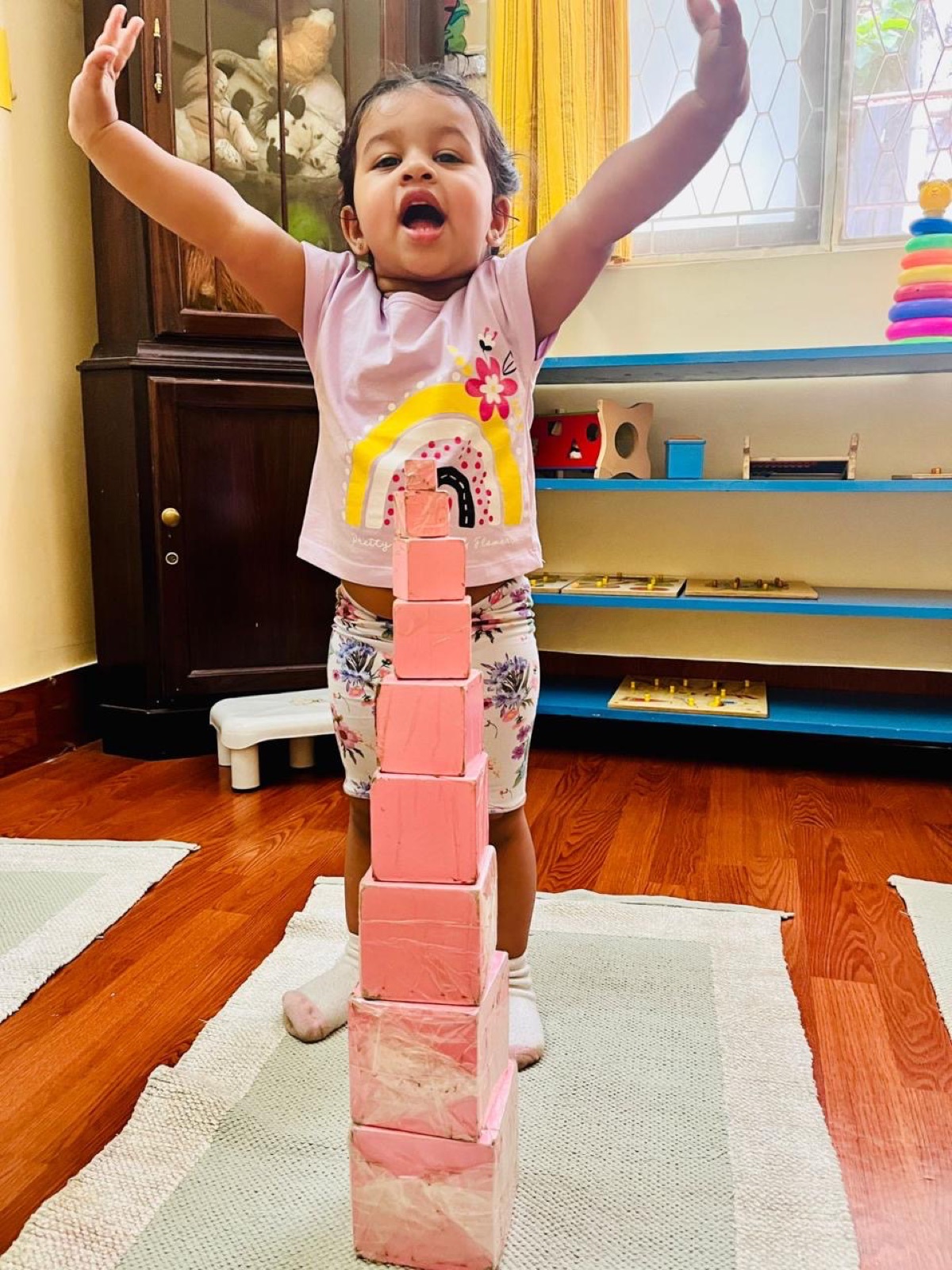
The Sensorial materials are designed by Dr. Montessori to refine the child's senses. Through exploration of size, colour, texture, sound, smell, and taste, children build a rich vocabulary for the world around them and lay the foundation for later academic learning.
Mathematics
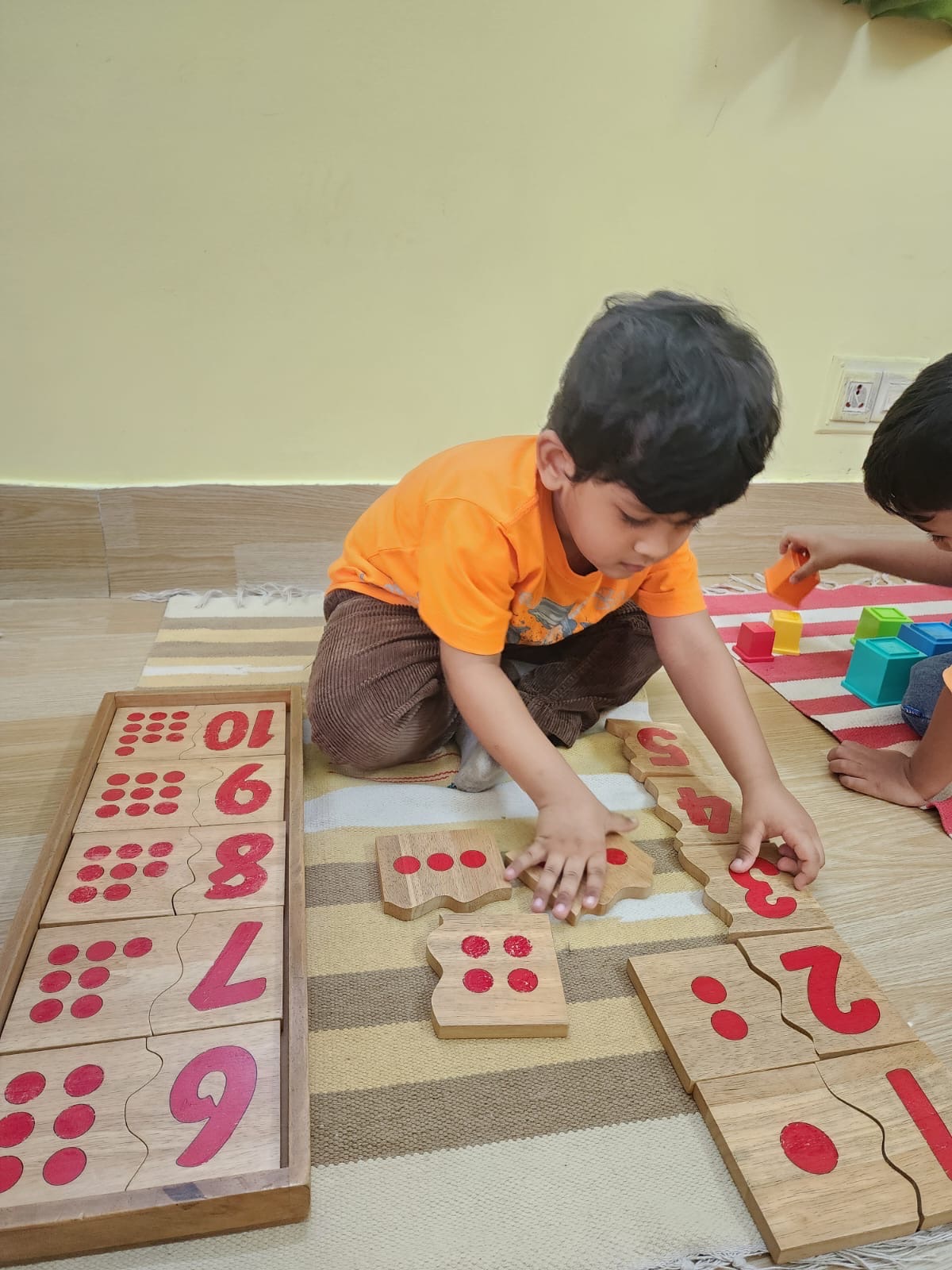
Mathematics at TrottersStop is anything but abstract. With globally recognized Montessori math materials — from number rods to the bead chain — children physically handle quantities before they ever write a number. This concrete-to-abstract progression makes mathematical thinking natural and joyful.
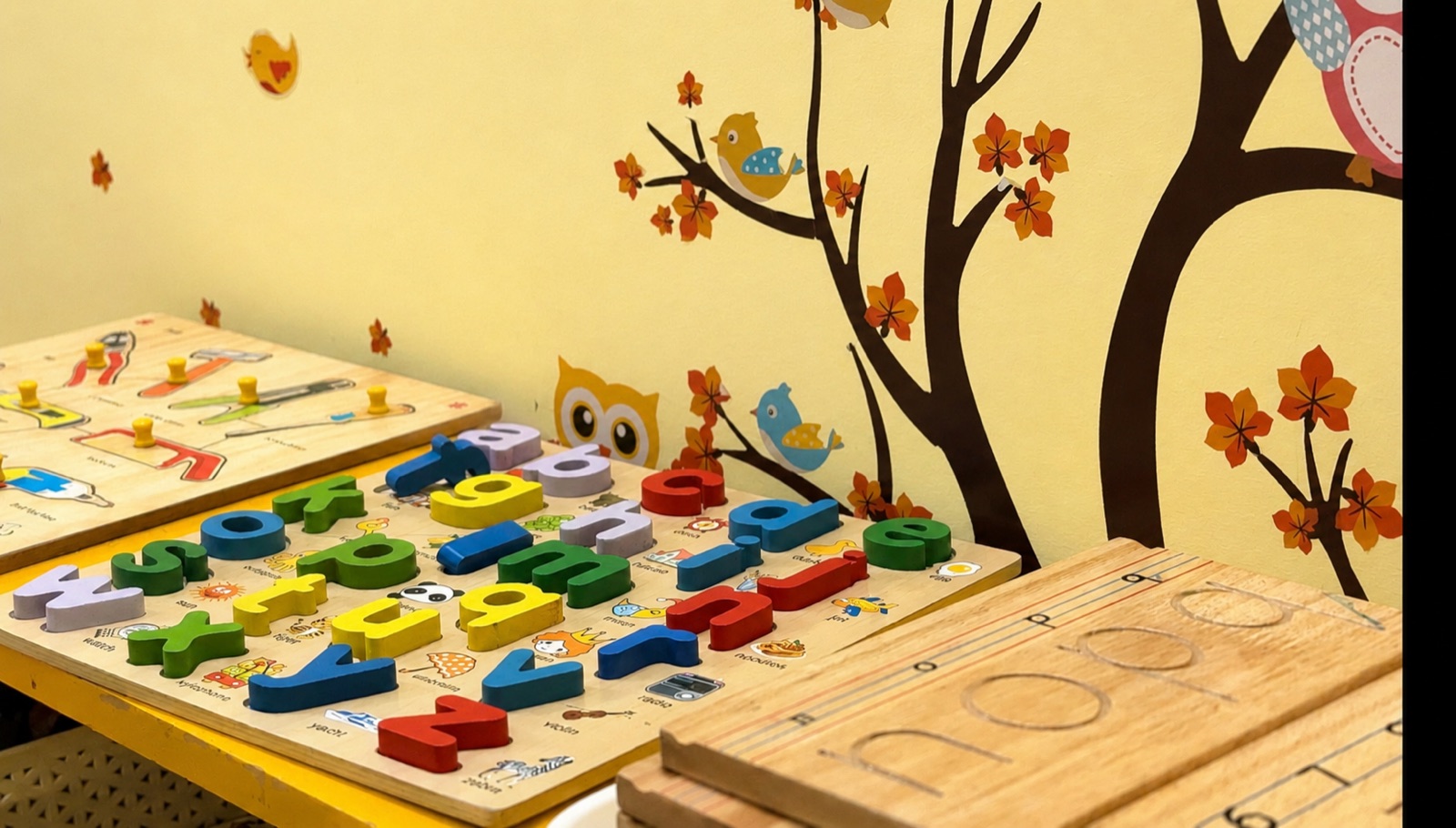
Phonetics & Language
Language development at TrottersStop follows a rich, multi-sensory phonics pathway. Through sandpaper letters, moveable alphabets, and carefully selected books, children progress naturally from spoken language to reading and writing at their own pace.
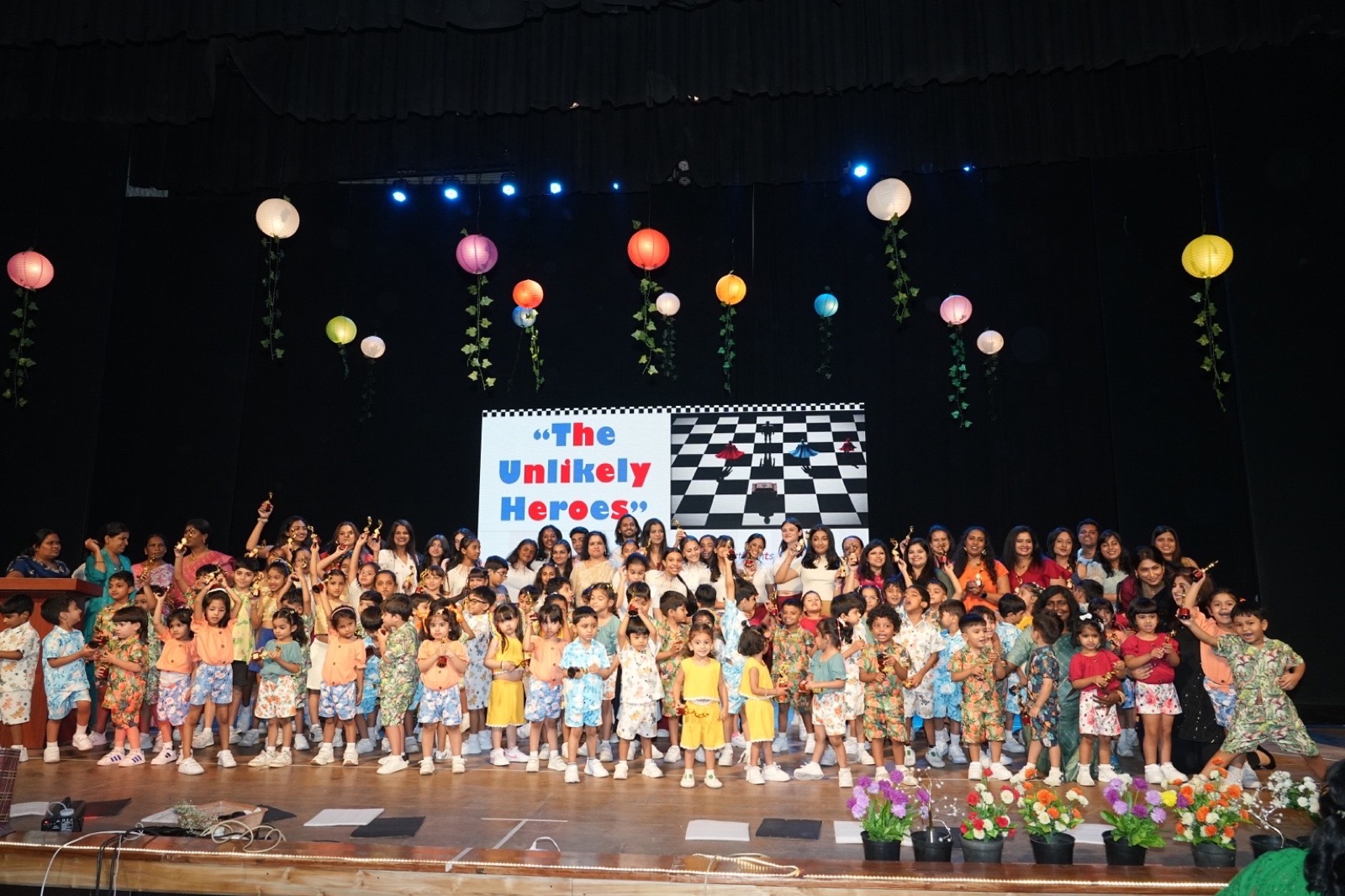
Art, Music & Drama
Creative expression is woven into every day at TrottersStop. From finger-painting to storytelling circles, from rhythm instruments to puppet theatre, children explore the arts as a language of their own — building emotional intelligence, confidence, and imagination.
Movement and physical confidence
Movement is learning. Our outdoor spaces and physical activity programme are designed to develop both gross and fine motor skills through structured and unstructured play. From slipper slides to bouncy balls, from running games like relay, dodge balls to musical chairs, every movement is joyful.
Ready to Join Our Community?
Seats are limited. Reach out today to schedule a visit and see our Montessori environment in action.